Session 09 · Final debateSession 09 · Débat final
Can the NHS still keep Bevan’s promise today?Le NHS peut-il encore tenir la promesse de Bevan aujourd'hui ?
From 1948 to today: why is it now so hard to get a GP appointment, even in London? Read the facts, choose a side, debate, then write your opinion.De 1948 à aujourd'hui : pourquoi est-il si difficile d'obtenir un rendez-vous chez le généraliste, même à Londres ? Lisez les faits, choisissez un camp, débattez, puis donnez votre avis par écrit.
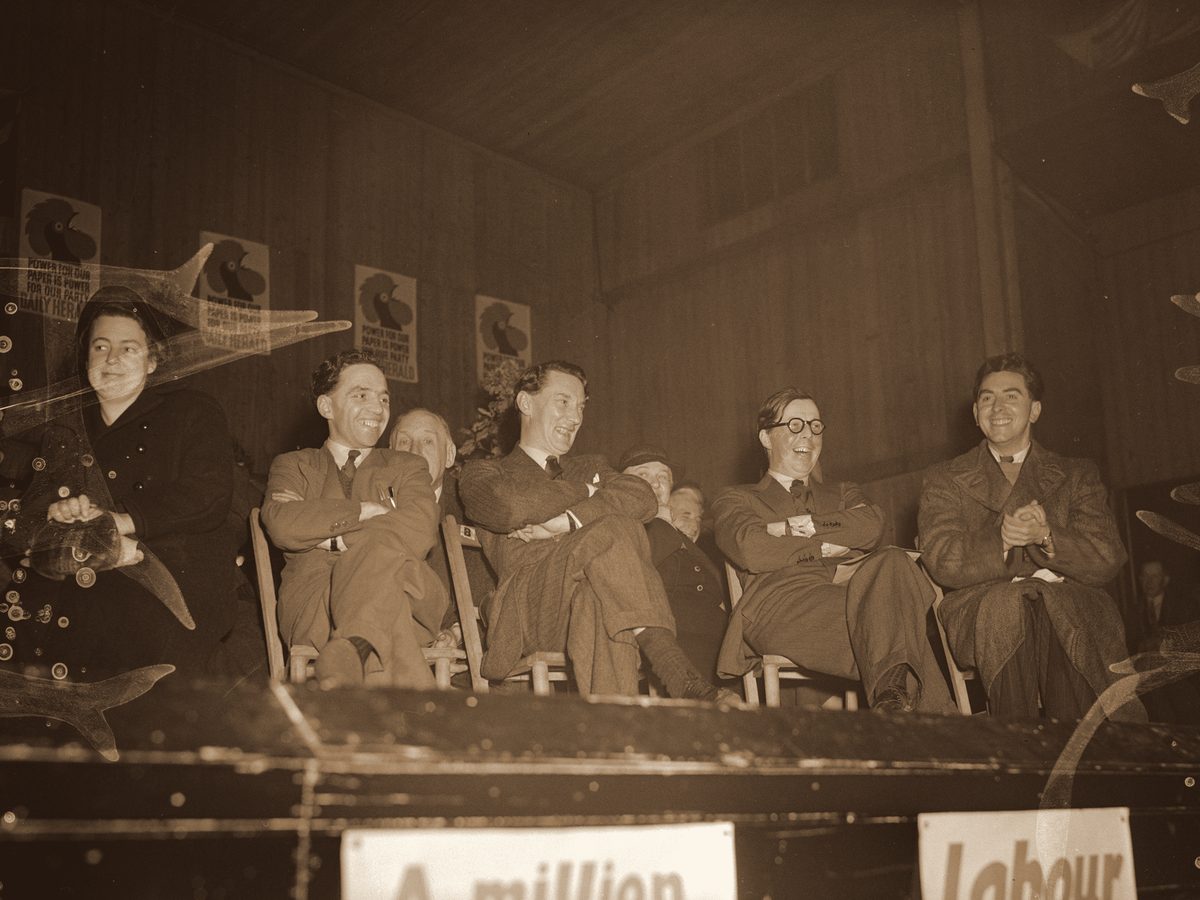
The promise of 1948La promesse de 1948
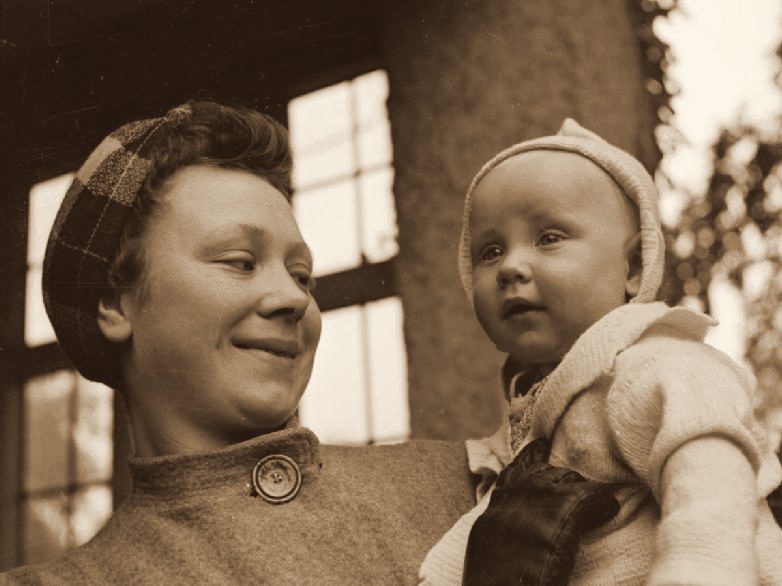
When Aneurin Bevan launched the NHS on 5 July 1948, the promise was simple: health care for everyone, based on need and not on money.Quand Aneurin Bevan lance le NHS le 5 juillet 1948, la promesse est simple : des soins pour tous, selon les besoins et non selon l'argent.
“It will provide you with all medical, dental and nursing care. Everyone – rich or poor, man, woman or child – can use it or any part of it.”Ministry of Health leaflet The New National Health Service, 1948
Work with the facts below only. Nobody talks about their own health or their family: this is a debate about a public service.Travaillez uniquement avec les faits ci-dessous. Personne ne parle de sa santé ni de sa famille : c'est un débat sur un service public.
Then and now: 1948 → 2026Hier et aujourd'hui : 1948 → 2026
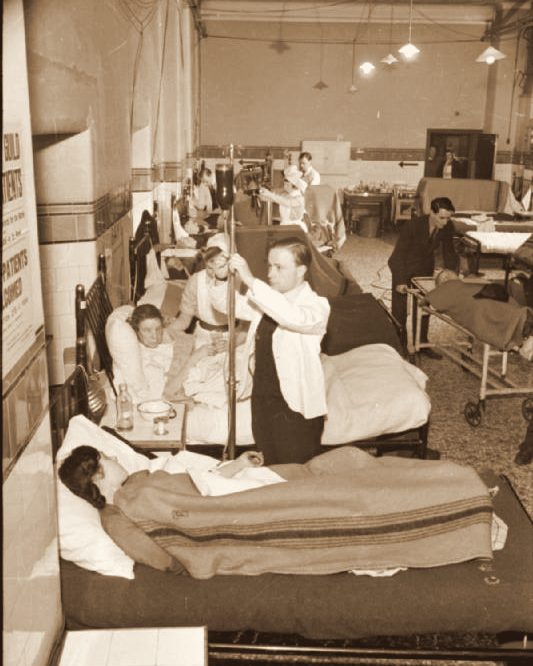
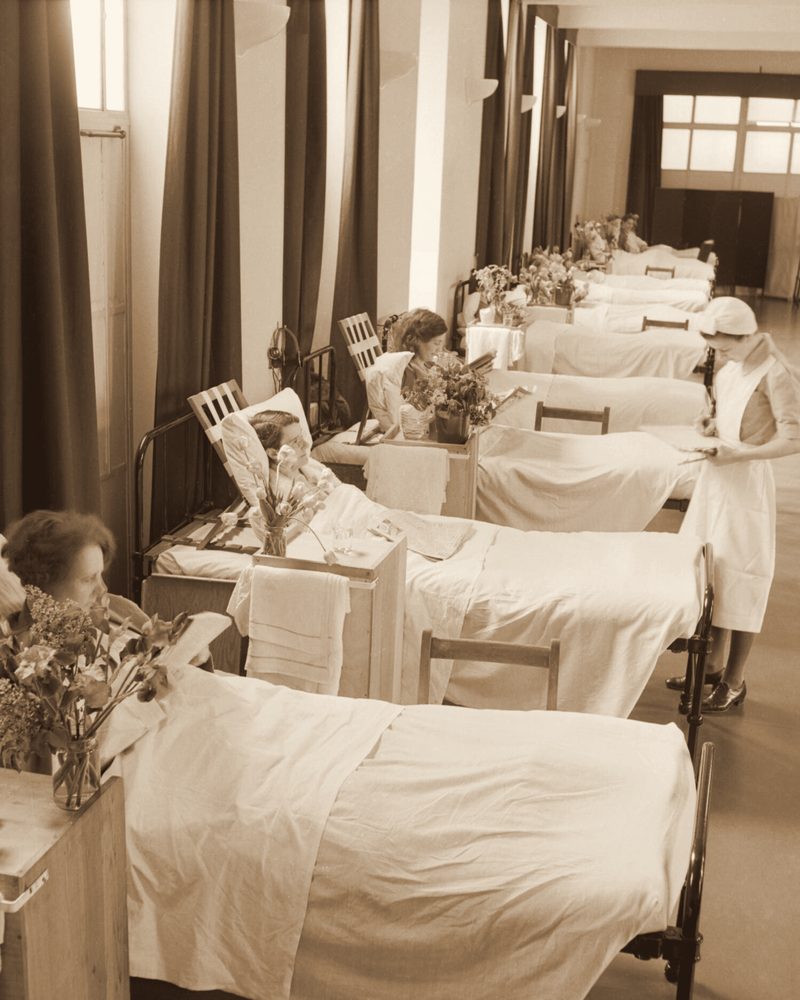
Gold boxes: then. Blue boxes: now. Every figure comes from an official or independent source, given under each box. Most figures are for England.Encadrés dorés : hier. Encadrés bleus : aujourd'hui. Chaque chiffre vient d'une source officielle ou indépendante, indiquée sous chaque encadré. La plupart des chiffres concernent l'Angleterre.
Older populationPopulation plus âgée
1951 Census, 1% sample, in a London Medical Officer of Health report (Wellcome Library) · ONS, Profile of the older population, Census 2021 (2023)
Long-term illnessMaladies de longue durée
The National Archives, The foundation of the NHS · The Health Foundation, Health in 2040 (2023)
MoneyArgent
Family doctors (GPs)Médecins généralistes (GP)
The National Archives, The foundation of the NHS · NHS England, General Practice Workforce, 31 August 2026 (published 24 Sept 2026) · BMA, Pressures in general practice (updated 25 Sept 2026)
Part-time work and leavingTemps partiel et départs
NHS England, General Practice Workforce, 31 August 2026 (published 24 Sept 2026)
Staff after BrexitPersonnel après le Brexit
Nuffield Trust, Has Brexit affected the UK’s medical workforce? (2022)
Covid and waiting listsCovid et listes d'attente
NHS England, Referral to Treatment waiting times, August 2026 (published 8 Oct 2026) · BMA, NHS backlog data analysis (updated 8 Oct 2026) · BBC News, NHS waiting list grows (October 2026)
A puzzle about London: London has the youngest population of any English region (11.9% aged 65 or over in 2021), yet it has the most patients per GP (2,450). So age is not the only reason: the number of doctors matters too.Une énigme sur Londres : Londres a la population la plus jeune des régions anglaises (11,9 % de 65 ans et plus en 2021), mais c'est là qu'il y a le plus de patients par généraliste (2 450). L'âge n'est donc pas la seule raison : le nombre de médecins compte aussi. ONS, Census 2021 · BMA, Pressures in general practice (updated 25 Sept 2026)
What still worksCe qui fonctionne encore
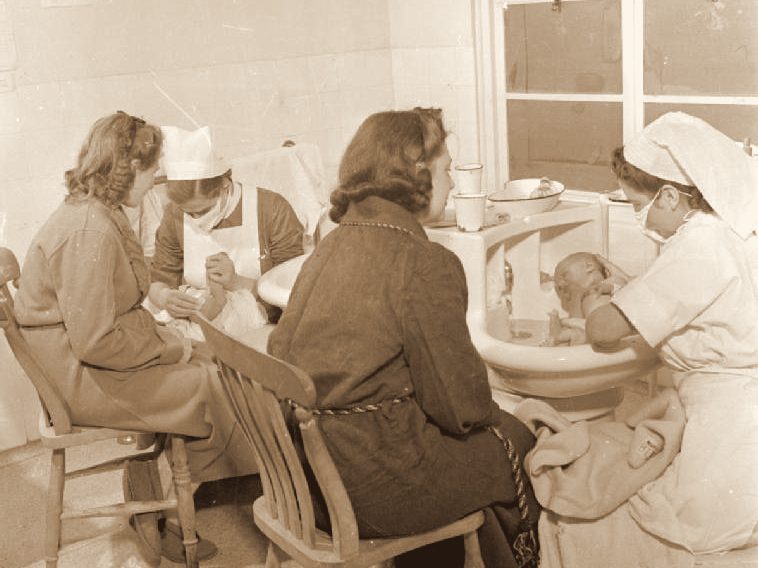
- Seeing a GP and being treated in an NHS hospital still come with no charge at the point of use: patients do not pay at the door.Voir un généraliste et être soigné dans un hôpital du NHS reste sans frais pour le patient : on ne paie pas sur place.
- 89% of British adults say the NHS should cost nothing when you need it, and 81% say it should be paid for mainly by taxes (British Social Attitudes 2025).89 % des adultes britanniques estiment que le NHS ne doit rien coûter quand on en a besoin, et 81 % qu'il doit être financé surtout par l'impôt (British Social Attitudes 2025).
- Satisfaction rose to 26% in 2025, the first rise since 2019, even if 51% are still dissatisfied. Making it easier to get a GP appointment is the public's top priority (46%).La satisfaction est remontée à 26 % en 2025, première hausse depuis 2019, même si 51 % restent insatisfaits. Obtenir plus facilement un rendez-vous chez le généraliste est la priorité n° 1 du public (46 %).
- GP numbers are growing again: +2.9% full-time equivalent fully qualified GPs between August 2025 and August 2026.Le nombre de généralistes remonte : +2,9 % en équivalent temps plein entre août 2025 et août 2026.
- In July 2026, 65.4% of waiting cases had waited less than 18 weeks, up 4.1 points in a year (the target is 92%).En juillet 2026, 65,4 % des cas en attente attendaient depuis moins de 18 semaines, soit 4,1 points de plus en un an (l'objectif est 92 %).
Nuffield Trust and The King’s Fund, British Social Attitudes survey 2025 (published 25 March 2026) · The King’s Fund, Public satisfaction with the NHS · NHS England, General Practice Workforce, 31 August 2026 (published 24 Sept 2026) · NHS England, Referral to Treatment waiting times, August 2026 (published 8 Oct 2026)
Useful vocabularyVocabulaire utile
- with no charge at the point of use · sans frais pour le patient au moment des soins
- a GP (general practitioner) · un médecin généraliste
- a GP practice / surgery · un cabinet médical
- an appointment · un rendez-vous
- a waiting list · une liste d'attente
- a backlog · un retard accumulé
- demand · la demande
- a shortage of staff · un manque de personnel
- full-time equivalent (FTE) · équivalent temps plein
- funding · le financement
- an ageing population · une population vieillissante
- a long-term condition · une maladie chronique
- the workforce · les effectifs, le personnel
- to recruit / to retain · recruter / garder (le personnel)
- to retire early · prendre sa retraite tôt
- to keep a promise · tenir une promesse
The debateLe débat
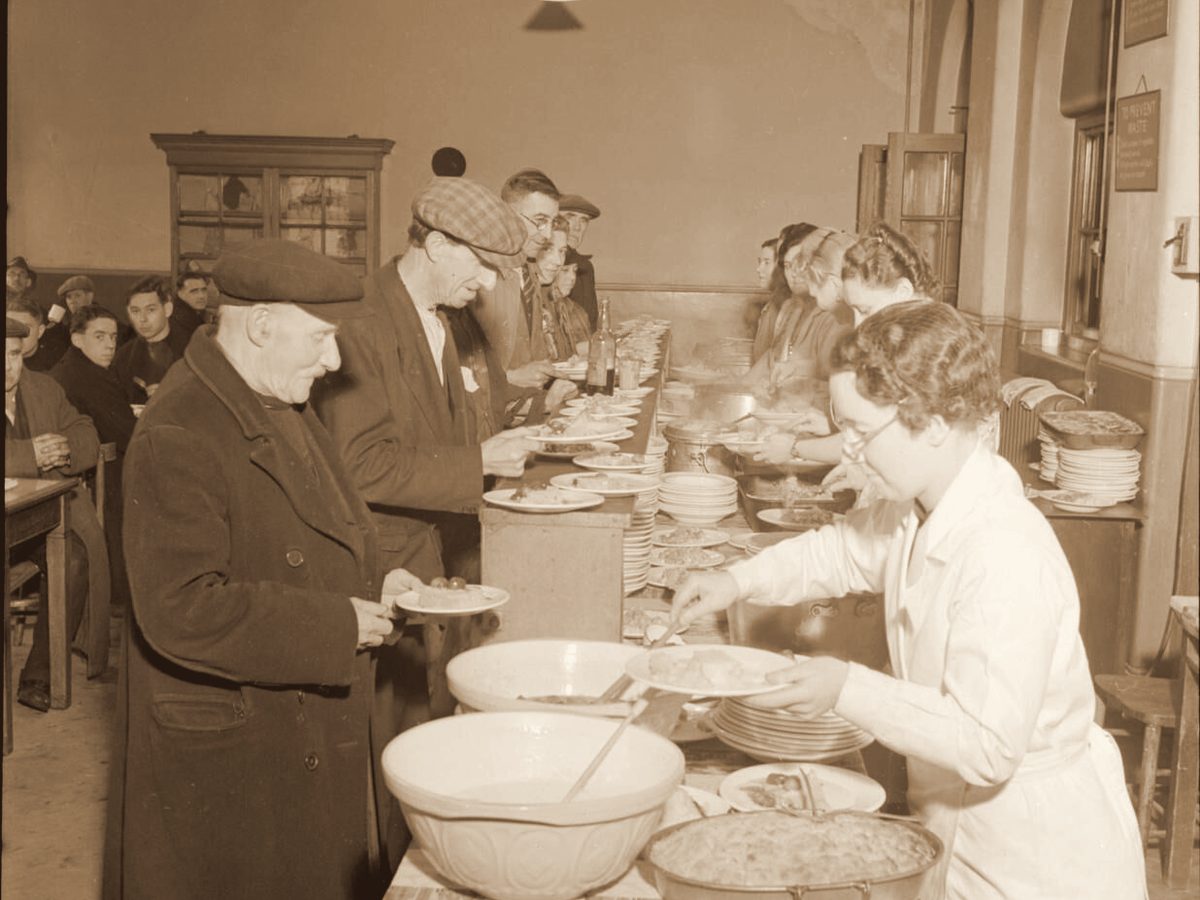
Side A: “Yes, the NHS can still keep the promise.”Camp A : « Oui, le NHS peut encore tenir la promesse. »
You still never pay at the door to see a GP or to be treated in an NHS hospital.
89% of adults say the NHS should cost nothing when you need it (BSA 2025).
GP numbers rose by 2.9% in a year (Aug 2025 to Aug 2026), and more patients are seen within 18 weeks.
The NHS now cares for 63.1 million registered patients and millions with long-term illnesses: it does far more than in 1948.
Side B: “No, the promise is broken.”Camp B : « Non, la promesse est rompue. »
There are 142 fewer full-time GPs than in 2015, but 6.2 million more patients.
London has 2,450 patients per GP, the highest ratio in England, against a target of 1,000.
7.37 million cases are on the waiting list, compared with 4.57 million before Covid.
Funding grew by only 1.3% a year after 2009/10, EU recruitment fell after Brexit, and 37% of GPs may leave patient care within five years.
RolesRôles
- Chair: Opens the debate, gives the floor, keeps it polite.Ouvre le débat, donne la parole, veille au respect.
- Speakers, side A (2): “Yes, the promise is still alive.”
- Speakers, side B (2): “No, the promise is broken.”
- Fact-checker: Checks every number against the Then and Now box.Vérifie chaque chiffre dans l'encadré « Then and now ».
- Timekeeper: One minute per opening speech, thirty seconds per reply.Une minute par discours d'ouverture, trente secondes par réponse.
- Reporter: Writes down the best argument of each side and reads the summary.Note le meilleur argument de chaque camp et lit le résumé.
How it works (30 minutes)Déroulement (30 minutes)
- Prepare in your group (10 min): choose your two best cards and one figure from the Then and Now box.Préparez en groupe (10 min) : choisissez vos deux meilleures cartes et un chiffre de l'encadré « Then and now ».
- Opening speeches (1 min each): side A, then side B.Discours d'ouverture (1 min chacun) : camp A, puis camp B.
- Open exchange (10 min): answer the other side, using a figure each time.Échange libre (10 min) : répondez à l'autre camp, avec un chiffre à chaque fois.
- The fact-checker reports: were all the numbers right?Le vérificateur fait son rapport : tous les chiffres étaient-ils justes ?
- The reporter sums up, then the class votes.Le rapporteur résume, puis la classe vote.
AgreeingÊtre d'accord
DisagreeingNe pas être d'accord
Giving examples and figuresDonner des exemples et des chiffres
ConcludingConclure
Check your understandingVérifiez votre compréhension
1. How many patients per full-time GP are there in London (August 2026)?
2. How big was the hospital waiting list in England in August 2026?
3. What share of people in England and Wales were aged 65 or over in 2021?
4. After 2009/10, NHS funding grew by about…
5. What share of adults say the NHS should cost nothing when you need it (2025)?
Final writing taskTâche écrite finale
Write a short opinion paragraph (100 to 150 words): Can the NHS still keep Bevan’s promise today? Give your opinion, two arguments with one figure each, one argument from the other side, and a conclusion. Use the facts on this page, not personal stories.Rédigez un court paragraphe argumenté (100 à 150 mots) : le NHS peut-il encore tenir la promesse de Bevan aujourd'hui ? Donnez votre avis, deux arguments avec un chiffre chacun, un argument du camp adverse et une conclusion. Utilisez les faits de cette page, pas des histoires personnelles.
How will I be assessed?
Two kinds of assessment go with you. The first one helps you improve. The second one checks what you have learnt at the end.
| During the sequence: formative assessment | At the end: summative assessment |
|---|---|
| It helps you improve. | It checks what you have learnt. |
| You are allowed to make mistakes: a mistake you spot is a mistake you will not make again. | You show what you can do, with criteria you already know. |
| You check your own work with the checklist. | The teacher uses the same grid as you. |
| In this sequence: sessions 01 to 08 (the extracts, the “Lines to keep”, the vocabulary in Words), the “Check your understanding” quiz, and the debate with its fact-checker. | In this sequence: your opinion paragraph (100 to 150 words), marked out of 20. |
While I practise, I can say
- “I am not sure yet about…”
- “Can you check if this figure is right: …?”
- “I made a mistake with… Now I know that…”
- “The word I want to remember is… because…”
The final task. Write a short opinion paragraph (100 to 150 words): Can the NHS still keep Bevan’s promise today? Give your opinion, two arguments with one figure each, one argument from the other side, and a conclusion. Use the facts on the debate page, not personal stories.
What I need to do: I tick when it is done
Criteria checked: 0 / 5
Thinking about my work
- “I can already…”
- “I still find it hard to…”
- “The criterion I do best is… because…”
- “To improve, I will…”
- “Next time, I will pay attention to…”
A ready-to-use grid with the same criteria as the students' checklist. Click one level for each criterion: the total adds up by itself.
1. Task and length / 3
Answers the question, gives a clear opinion, 100 to 150 words.
2. Two arguments, each with a correct figure / 6
Two different arguments; each has one accurate figure from the Then and Now box.
3. One argument from the other side / 3
Introduced with However / On the other hand, and answered.
4. Organisation / 4
Starts from the 1948 promise, uses connectors, ends with a conclusion.
5. Language / 4
At least three words from the vocabulary box; past simple for 1948; spelling and grammar.
To mark quickly and fairly: what is expected, what earns full or partial points, and the most common mistakes.
In 1948, the NHS promised health care for everyone, based on need and not on money. In my opinion, today the NHS cannot fully keep this promise because there are not enough family doctors. Firstly, in August 2026 there were 29,223 full-time equivalent GPs in England, 142 fewer than in September 2015, while there were 6.2 million more patients. Secondly, the waiting list is much longer: 7.37 million cases in August 2026, compared with 4.57 million before Covid. However, some people argue that the promise is still alive, because patients never pay at the door and 89% of adults say the NHS should cost nothing when you need it. That is true, but a service with no charge is not enough if you have to wait. To conclude, I believe that the promise is in danger and that the NHS needs more staff.
Criterion by criterion
| Criterion | Full points | Partial points | 0 points |
|---|---|---|---|
| 1. Task and length (3) | Clear opinion that answers the question; 100 to 150 words. | Opinion unclear or given only at the end, or length outside 90 to 160 words. | Off topic, no opinion, or under 60 words. |
| 2. Two arguments, each with a correct figure (6) | Two different arguments, each with an accurate figure and its date (3 points each). | One complete argument, or two arguments with a wrong, undated or missing figure. | No argument based on the facts. |
| 3. One argument from the other side (3) | Counter-argument clearly introduced and answered. | Counter-argument mentioned but not linked or not answered. | No counter-argument. |
| 4. Organisation (4) | Introduction on 1948, at least three connectors, a real conclusion. | Two of these three elements. | A list of sentences with no links. |
| 5. Language (4) | Three or more vocabulary words used correctly; past simple for 1948; few errors that never block meaning. | One or two vocabulary words, or frequent errors that sometimes block meaning. | Meaning is often unclear. |
Points taken off by type of error (written work)
Start from the points earned on the language and organisation criteria, then take points off according to the number of errors. A line never takes off more than its maximum, and the mark never goes below 0.
| Type of error | Thresholds | Maximum taken off |
|---|---|---|
| Grammar (tenses, agreement, word order) | 1 or 2 errors: 0 · 3 to 5: minus 1 · 6 or more: minus 2 | minus 2 |
| Vocabulary (wrong word, French word, spelling) | 1 or 2 errors: 0 · 3 or 4: minus 1 · 5 or more: minus 2 | minus 2 |
| Phrasing or reasoning (unclear sentence, argument with no link) | 1 error: 0 · 2 errors: minus 1 · 3 or more: minus 2 | minus 2 |
Common mistakes to watch for
- Mixing up England and London: 2,160 patients per GP in England, 2,450 in London.
- Mixing up cases and patients: 7.37 million cases on the waiting list are about 6.24 million patients.
- Writing that patients pay for NHS care: care still costs nothing at the point of use.
- A figure with no date or no source (“there are 7 million…”): ask for the year.
- Telling a personal or family health story: the task asks for facts about a public service only.
- Present tense for 1948 (“the NHS promise”) instead of the past simple (“the NHS promised”).
- “I am agree” instead of “I agree”; “less doctors” instead of “fewer doctors”.
- No counter-argument, or a counter-argument with no answer.
Answer key for the sequence exercises
Check your understanding (debate page)
- 2,450
- 7.37 million
- 18.6%
- 1.3% a year
- 89%
Reminder: Madame Carole Paoli Pompougnac · © 2026 · CC BY-NC-ND 4.0