ASSP route · Session 2 of 6Parcours ASSP · Séance 2 sur 6
An emergency on the district: “You must call 999”Une urgence dans le quartier : « Il faut appeler le 999 »
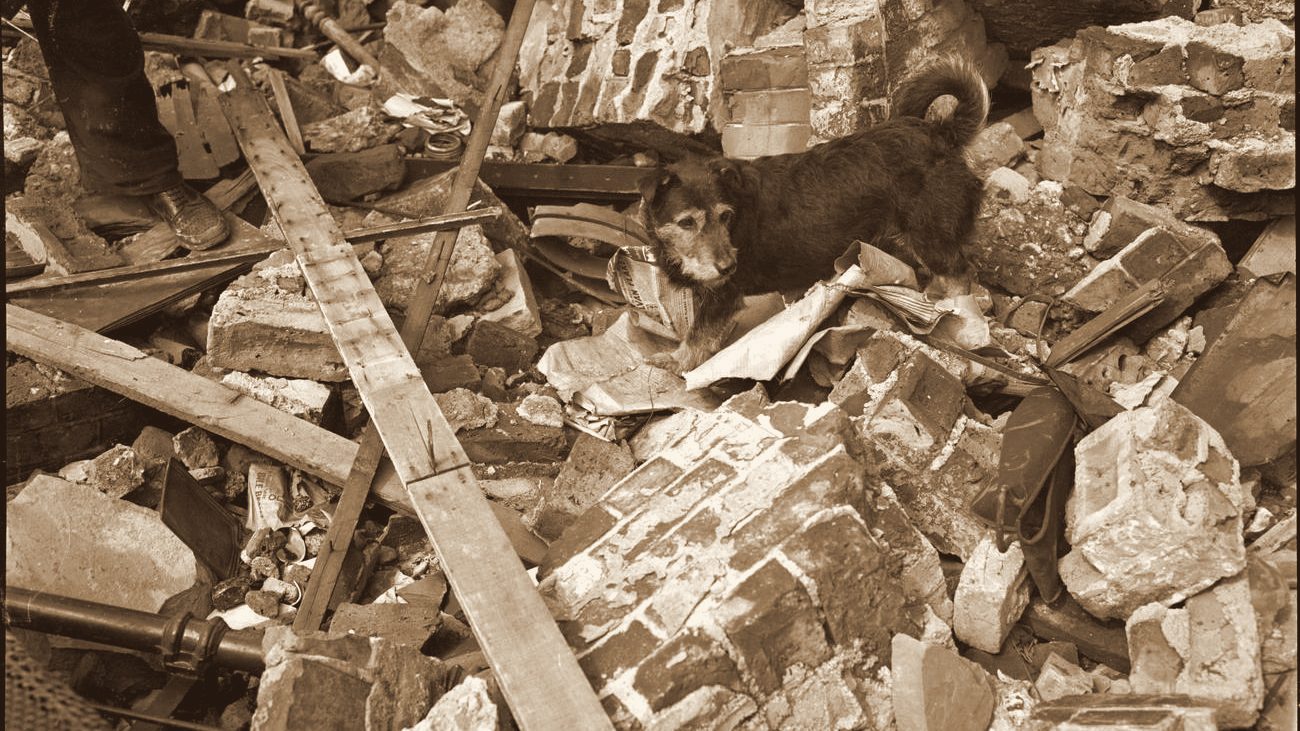
Poplar, 1960. A neighbour runs to the midwife: a man has fallen in the yard and does not answer. In 1960 as today, the first minutes matter. You have learnt the same gestures in your first aid training (SST or PSC1).Poplar, 1960. Une voisine court chercher la sage-femme : un homme est tombé dans la cour et ne répond plus. En 1960 comme aujourd’hui, les premières minutes comptent. Vous avez appris les mêmes gestes en formation SST ou PSC1.
Modal focus: must, have to, mustn’t, don’t have to: rules and steps
RecapRappel / 4
Answer in your notebook, without looking. Then check and write your mark out of four.Répondez dans le cahier sans regarder. Puis corrigez et notez-vous sur quatre.
- Ask permission to take a patient’s temperature. 1 pt
- Ask a patient politely to sit down. 1 pt
- What must a pregnant woman do if she feels faint? 1 pt
- Give the English for: consentement, intimité, rassurer. 1 pt
Show the answers
- May I take your temperature?
- Could you sit down, please?
- Sit down at once or lie on her left side.
- consent, privacy, to reassure
Entry versionVersion d’entrée Entry · A2
- “May I come in?” is: a) an order b) a polite question
- “dizzy” means: a) pris de vertige b) fatigué
Show the answers
- b) a polite question
- a) pris de vertige
What we need to sayCe que nous avons besoin de dire
In an emergency, we need to give clear steps in the right order, say what is obligatory and what is forbidden. We also need to call for help and give the right information on the phone.
For obligation, English uses must and have to; for a ban, mustn’t; when something is not necessary, don’t have to. For steps, we use the imperative and linking words: First, check… Then, call…
DocumentsDocuments
Document A · 999, the oldest emergency number in the world
The number 999 started in London on 30 June 1937. It was the first emergency telephone number in the world. Callers asked for “Fire, Police or Ambulance”. In 1960, many families in Poplar had no telephone at home: people had to run to a public phone box or to a neighbour.
Today, in the United Kingdom, you can call 999 or 112. In France, you call 15 (SAMU, medical help), 18 (fire brigade) or 112 (everywhere in Europe). People who cannot speak or hear can send a text message to 114.
Document B · The first aid card (written for this lesson, based on NHS first aid advice)
- Danger. First, check that the place is safe for you and for the victim.
- Response. Then, talk to the person loudly and tap their shoulders: “Can you hear me? Open your eyes!”
- Breathing. Next, open the airway: tilt the head back and lift the chin. Look, listen and feel for normal breathing for ten seconds.
- Breathing normally? Put the person in the recovery position, on their side, so they don’t choke. Call 999 (in France, 15 or 112). Stay with them and check their breathing.
- Not breathing? Call 999 at once and start CPR: push hard and fast in the middle of the chest, 100 to 120 times a minute. Ask someone to bring a defibrillator.
- Bleeding? Press firmly on the wound with a clean pad and keep the pressure.
- Burn? Cool it under cool running water for twenty minutes. You mustn’t put ice, butter or cream on it.
Document C · In the yard (short scene written for this lesson)
Neighbour: Nurse! Mr Burke has fallen off his ladder. He isn’t moving!
Midwife: Show me. First, you must stay calm. Mr Burke! Can you hear me? … He doesn’t answer, but he is breathing.
Neighbour: What do we have to do?
Midwife: We have to put him on his side. Help me. Now, you must run to the phone box and call 999. Say: “A man is unconscious, Bow Common Lane, he is breathing.”
Neighbour: Do I have to give my name?
Midwife: Yes, and the address. You mustn’t hang up before they tell you. Go!
Midwife (to Mr Burke): You don’t have to talk, Mr Burke. I’m here. Help is coming.
Understand the documentsComprendre les documents Entry · A2 Core · B1
- When and where did 999 start?
- Why did people in Poplar in 1960 often have to run to a phone box?
- Which numbers can you call in France? Give two.
- Put the first three steps of the card in order: breathing, danger, response.
- Why do we put the person on their side?
- What must you never put on a burn?
- In the yard, what three pieces of information must the neighbour give on the phone?
- Find a sentence where the midwife reassures Mr Burke.
Show the answers
- In London, on 30 June 1937.
- Many families had no telephone at home.
- 15 (SAMU), 18 (fire brigade), 112, and 114 by text message.
- Danger, response, breathing.
- So that they don’t choke (the airway stays open).
- Ice, butter or cream.
- What happened (a man is unconscious), the address (Bow Common Lane), that he is breathing; and her name.
- “You don’t have to talk, Mr Burke. I’m here. Help is coming.”
Words to say itLes mots pour le dire
The stressed syllable is in capitals.
First aid
| unconscious un-KON-shus | inconscient |
| to breathe breeth | respirer |
| breathing BREE-thing | la respiration |
| the recovery position ri-KUV-er-ee | la position latérale de sécurité |
| to call an ambulance AM-byu-lans | appeler une ambulance |
| CPR see-pee-AR | le massage cardiaque (RCP) |
| a defibrillator dee-FIB-ri-lay-ter | un défibrillateur |
| bleeding BLEE-ding | un saignement |
| a wound woond | une plaie |
| pressure PRESH-er | la pression |
| a burn burn | une brûlure |
| a first aid kit | une trousse de secours |
| an injury IN-ju-ree | une blessure |
Accompaniment
| to stay calm | rester calme |
| to stay with someone | rester auprès de quelqu’un |
| a neighbour NAY-ber | un voisin, une voisine |
| help is coming | les secours arrivent |
| a victim VIK-tim | une victime |
Vocabulary practiceEntraînement lexical
A. Picture the gesture Entry · A2
Match the gesture and the English.
- tapping the shoulders: a) check the response b) check the burn
- looking at the chest for ten seconds: a) check breathing b) check the address
- putting someone on their side: a) CPR b) the recovery position
- pushing in the middle of the chest: a) CPR b) pressure on a wound
- pressing a clean pad on a cut: a) stop the bleeding b) cool a burn
- running water on a red hand: a) cool a burn b) wash the floor
Show the answers
- a
- a
- b
- a
- a
- a
B. Complete the first aid card Entry · A2
Use each word once.
unconsciousbreathingsideambulancepressureburnkitcalm
- He doesn’t answer: he is ______.
- Look, listen and feel: is he ______?
- Put him on his ______.
- Call an ______.
- Press on the wound: keep the ______.
- Cool the ______ for twenty minutes.
- Bring the first aid ______.
- First, you must stay ______.
Show the answers
- unconscious
- breathing
- side
- ambulance
- pressure
- burn
- kit
- calm
C. Sort the words Entry · A2
Three columns: the problem, the gesture, the people.
- bleeding · CPR · a neighbour · a burn · the recovery position · a victim · unconscious · pressure · the ambulance crew · an injury
Show the answers
- Problem: bleeding, a burn, unconscious, an injury. Gesture: CPR, the recovery position, pressure. People: a neighbour, a victim, the ambulance crew.
D. Word families Core · B1
Complete the table.
- to breathe → (noun) ______
- to bleed → (noun) ______
- to injure → (noun) ______
- conscious → (opposite) ______
- to recover → (noun) ______
- to burn → (adjective) ______
Show the answers
- breathing / breath
- bleeding / blood
- an injury
- unconscious
- recovery
- burnt / burned
E. The phone call Core · B1
Put the call to 999 in order (1 to 6).
- a) “He is breathing but he doesn’t answer.” b) “Emergency, which service?” c) “Ambulance, please.” d) “Bow Common Lane, Poplar.” e) “Stay with him, the ambulance is coming.” f) “What is the address?”
Show the answers
- b, c, f, d, a, e
Grammar lessonLeçon de grammaire
Grammar point 1 · must, have to, mustn’t, don’t have to
Teacher scriptScript de l’enseignante
“In the yard, the midwife gives orders. Some things are compulsory, one is forbidden, one is not necessary. Let’s find them in Document C and classify them in three columns on the board.”
On the board · copy in your notebookAu tableau · à recopier
- Rule
- Obligation: must / have to. Ban: mustn’t. Not necessary: don’t have to.
- Form
- must + verb · have to / has to + verb · Do I have to…? · mustn’t + verb · don’t / doesn’t have to + verb
- Use
- must: my rule, the urgency. have to: the procedure, the law. mustn’t: forbidden. don’t have to: you can, but it is not necessary.
- Examples from the lesson
- First, you must stay calm.
- We have to put him on his side.
- You mustn’t hang up.
- You don’t have to talk.
- Common mistakes
You must to call.→ You must call.He have to call.→ He has to call.You don’t have to put ice(when it is forbidden) → You mustn’t put ice.
- French and English
- « Tu ne dois pas » = mustn’t (forbidden). « Tu n’es pas obligé de » = don’t have to. This is the most common trap for French speakers.
Quick check
- Forbidden: You ______ move him.
- Not necessary: She ______ come.
- Third person: He ______ call 15.
Show the answers
- mustn’t
- doesn’t have to
- has to (or must)
Grammar point 2 · Giving steps: the imperative and sequence linkers
Teacher scriptScript de l’enseignante
“A first aid card is a recipe: we give orders, in order. What verb form starts each step? (Check, talk, open, put, call, press, cool.) And which words show the order?”
On the board · copy in your notebookAu tableau · à recopier
- Rule
- Imperative = the verb alone, no subject. Negative: Don’t + verb. Linkers show the order.
- Form
- First, … · Then, … · Next, … · After that, … · Finally, … · If…, … · so that…
- Use
- For procedures, protocols, care sheets, and to explain a gesture to a colleague.
- Examples from the lesson
- First, check that the place is safe.
- Then, talk to the person loudly.
- If he is breathing, put him on his side.
- Don’t leave him alone.
- Common mistakes
You check first the danger.→ First, check the danger.Not put ice.→ Don’t put ice.
- French and English
- French often uses the infinitive in instructions (« Vérifier la respiration »). English uses the imperative: Check the breathing.
Quick check
- Make it an instruction: to call 15
- Negative: Put butter on the burn.
- Linker for the last step?
Show the answers
- Call 15.
- Don’t put butter on the burn.
- Finally
Memo cardFiche mémo
must: an obligation the speaker feels (rule, urgency): You must stay calm.
have to: an obligation from outside (procedure, law): We have to put him on his side. Question: Do I have to give my name?
mustn’t: forbidden: You mustn’t put ice on a burn.
don’t have to: not necessary (but possible): You don’t have to talk.
Careful: mustn’t ≠ don’t have to.
Grammar practice: from recognition to your own sentencesEntraînement : de la reconnaissance à la production
1. Recognise Entry · A2
Obligation, ban or not necessary?
- You must stay calm.
- You mustn’t hang up.
- You don’t have to talk.
- We have to put him on his side.
- You mustn’t put butter on a burn.
- Do I have to give my name?
Show the answers
- obligation
- ban
- not necessary
- obligation
- ban
- question about an obligation
2. must or mustn’t? Entry · A2
Complete.
- You ______ check that the place is safe.
- You ______ leave an unconscious person alone.
- You ______ call 15 or 112.
- You ______ give a drink to an unconscious person.
- You ______ press firmly on the wound.
- You ______ put ice on a burn.
Show the answers
- must
- mustn’t
- must
- mustn’t
- must
- mustn’t
3. mustn’t or don’t have to? Core · B1
Forbidden, or just not necessary?
- You ______ be a nurse to call 999.
- You ______ move a person who may have a back injury.
- You ______ know the person to help.
- You ______ hang up before the operator says so.
- You ______ pay for the call.
Show the answers
- don’t have to
- mustn’t
- don’t have to
- mustn’t
- don’t have to
4. Transform: from the card to the rule Core · B1
Rewrite the imperative with must, have to or mustn’t.
- Check the danger.
- Don’t put cream on the burn.
- Call 999.
- Keep the pressure.
- Don’t leave the victim alone.
Show the answers
- You must check the danger.
- You mustn’t put cream on the burn.
- You have to call 999.
- You must keep the pressure.
- You mustn’t leave the victim alone.
5. Guided production: teach a younger student Core · B1
Write the rule for each situation.
- A child has a burn on the hand.
- An elderly man is on the floor and doesn’t answer, but he breathes.
- A cut on the knee is bleeding.
- A woman is not breathing.
Show the answers
- You must cool it under cool running water for twenty minutes. You mustn’t put ice on it.
- We have to put him in the recovery position and call 15 or 999.
- You must press on the wound with a clean pad.
- You have to call for help and start CPR at once.
6. Your own rules Core · B1
Write five rules for the first aid kit of your placement (crèche, school, care home). Use must, have to, mustn’t, don’t have to.
- Five rules.
Show the answers
- Examples: The kit must be easy to find. We have to check the dates every month. We mustn’t lock it. Children mustn’t touch it. You don’t have to be a nurse to use it.
Figure of speechFigure de style: Antithesis and enumeration
“It will provide you with all medical, dental and nursing care. Everyone … rich or poor, man, woman or child … can use it or any part of it.”Ministry of Health leaflet The New National Health Service, sent to every home in 1948 (also quoted on the final debate page).
The leaflet puts opposites side by side (rich or poor) and lists everybody (man, woman or child) to show that nobody is left out. First aid follows the same idea: we help any victim.
Work on the figureTravailler la figure Core · B1
- Find the opposites in the quotation.
- Why does the leaflet make a list instead of saying “everybody”?
- Write your own antithesis about first aid. Start: “Young or old, …”
Show the answers
- rich / poor; man / woman (and child).
- A list is stronger: we see every person, nobody is forgotten.
- Example: Young or old, neighbour or stranger, every victim deserves help.
ExpressionExpression
WritingÉcrit: Your first aid card for a crèche or a care home
Length: Five steps (core), eight steps and a short explanation (stretch).
StepsÉtapes
- Choose a problem: a burn, bleeding, a person who doesn’t answer.
- Write a title and four or five steps with First, Then, Next, Finally.
- Add one ban with mustn’t.
- Add the emergency numbers for France.
- Add one sentence to reassure the victim.
Sentence startersDébuts de phrases
- What to do if…
- First, … Then, … Next, … Finally, …
- You mustn’t…
- Call 15 or 112.
- Stay calm, I’m here, help is coming.
SpeakingOral: Role play: the emergency call (in pairs, two minutes)
StepsÉtapes
- The operator answers and asks which service.
- The caller says what happened.
- The operator asks for the address and the breathing.
- The operator gives two instructions with must or have to.
- The caller repeats and says thank you.
Sentence startersDébuts de phrases
- Emergency, which service?
- A man/woman is… He/She is (not) breathing.
- What is the address?
- You must… You have to… You mustn’t…
- OK, I…, thank you.
Swap roles, then perform for the class. The listeners note one good modal and one care gesture.Échangez les rôles, puis jouez devant la classe. Ceux qui écoutent notent un bon modal et un geste de soin.
Going furtherPour aller plus loin Going further · B2
For students who want to go on with languages.Pour les élèves qui veulent poursuivre en langues.
Richer wordsLexique enrichi
| to administer first aid | porter secours (formel) |
| to sustain an injury | être blessé (formel) |
| to be responsive / unresponsive | réagir / ne pas réagir |
| to apply direct pressure | comprimer directement |
| chest compressions | les compressions thoraciques |
| a bystander | un témoin |
Register: He fell off a ladder and hurt himself (everyday) → He sustained an injury after a fall from a ladder (report).
Modals in the pastLes modaux au passé
Modals in the past: had to = past obligation (In 1960, they had to run to a phone box). must have + past participle = a strong deduction: He must have hit his head. should have = criticism: They should have called earlier. needn’t have = it was not necessary but they did it.
PractiseEntraînement
- In 1960 / families / run to a phone box (obligation in the past)
- He is unconscious next to a ladder. Deduce.
- The neighbour waited ten minutes before calling. Criticise.
- The ambulance came, but the man was fine. (not necessary)
Show the answers
- In 1960, families had to run to a phone box.
- He must have fallen off the ladder.
- She should have called at once.
- They needn’t have called the ambulance, but it was the right decision.
Translate into EnglishTraduire en anglais
- Il faut appeler le 15 tout de suite.
- Il ne faut pas mettre de glace sur une brûlure.
- Vous n’êtes pas obligé de parler.
- Il a dû tomber de l’échelle.
- Mettez-le en position latérale de sécurité.
Show the answers
- You must call 15 at once. / You have to call 15 straight away.
- You mustn’t put ice on a burn.
- You don’t have to talk.
- He must have fallen off the ladder.
- Put him in the recovery position.
Argued writingÉcrit argumenté
Argued paragraph (150 words): “Should every student in France learn first aid at school?” Give two arguments, one fact from Document A or B, one example from your training, and a conclusion. Use had to, must have and should have.
Plan: introduction (the question and why it matters) · argument 1 with an example · argument 2 with an example · conclusion (your opinion). Linkers: firstly, moreover, however, on the other hand, therefore, to conclude.
On placement (PFMP)En PFMP
On placement, find out where the first aid kit and the defibrillator are, and who the first aider (SST) is. Write the internal emergency number in your notebook. If an accident happens, you alert and you protect: you never act alone beyond your training.
Homework
A. Learn the words Entry · A2
Learn the first aid words. Draw a small picture next to five of them.
B. must, mustn’t or don’t have to? Entry · A2
Complete.
- You ______ check the breathing.
- You ______ give water to an unconscious person.
- You ______ be a doctor to do CPR.
- You ______ stay with the victim.
- You ______ shout at the victim.
Show the answers
- must
- mustn’t
- don’t have to
- must
- don’t have to (talk loudly, but not shout)
C. The steps Core · B1
Write the five steps for a person who is unconscious but breathing, with linkers.
- Five steps.
Show the answers
- First, check the danger. Then, check the response. Next, check the breathing. After that, put the person in the recovery position. Finally, call 15 or 112 and stay with them.