Bac pro ASSP · English · A2 to B1, with an entry level and a going further levelBac pro ASSP · anglais · A2 à B1, avec un niveau d’entrée et un niveau approfondi
Care, first aid and accompaniment: the ASSP routeSoins, premiers secours et accompagnement : le parcours ASSP
Key questionProblématique
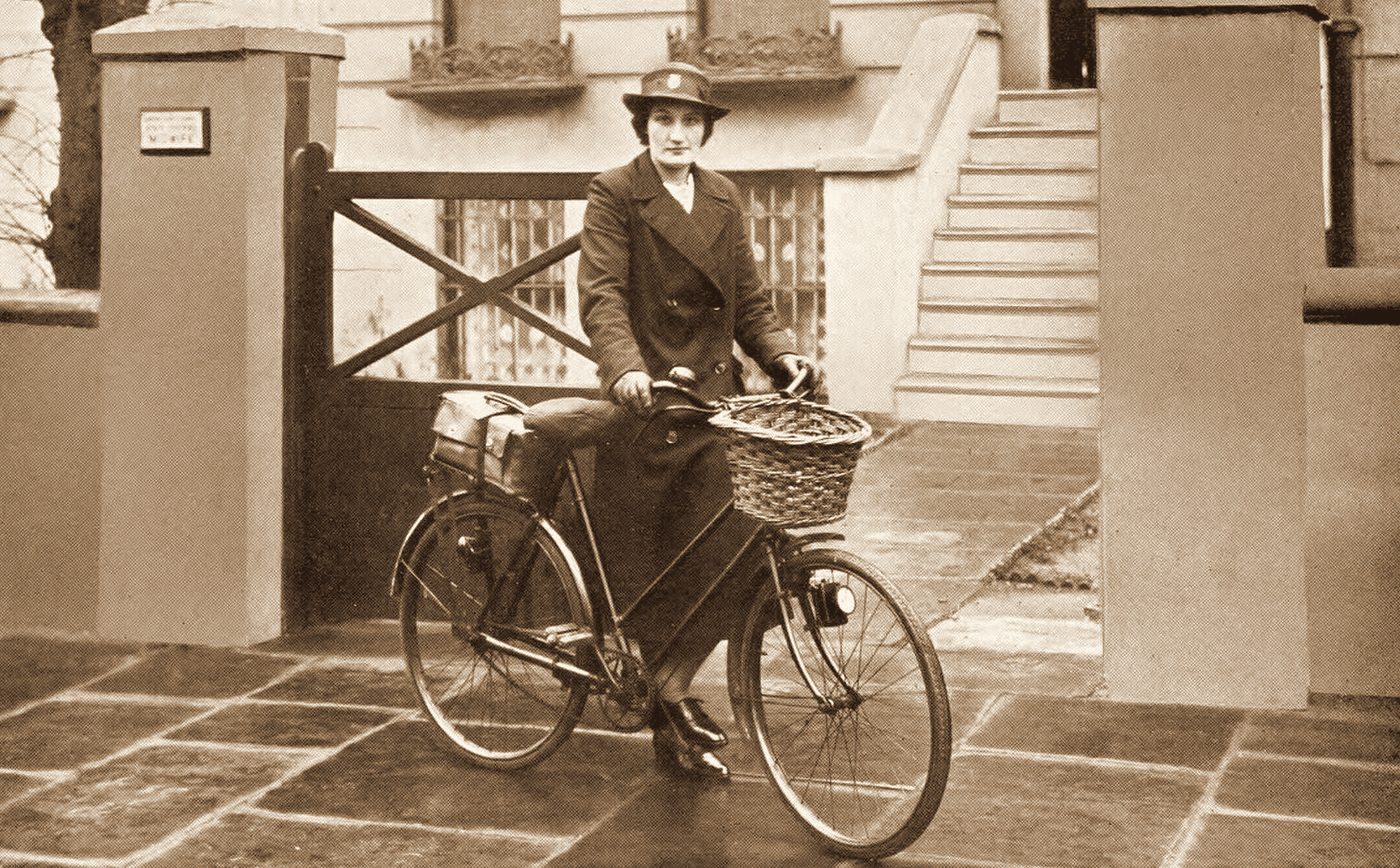
How do we take care of a person, with the right gestures and the right words, in Poplar in 1960 and on placement today?
This route is for bac pro ASSP classes (Accompagnement, soins et services à la personne). It uses the same Poplar dossier and the same short public extracts as the learning journey, and follows six real care situations: an antenatal visit, an emergency, hygiene at home, a newborn, a difficult moment with a family, and an elderly person met on the first day of placement.
Two vocabulary threads and one grammar threadDeux fils lexicaux et un fil grammatical
- First aid: check breathing, recovery position, call 15 / 112 / 999, CPR, bleeding, burns, shock, choking, falls.
- Accompaniment: consent, privacy, dignity, listening, comfort, helping someone wash, get dressed, eat, move; newborn care; elderly people; professional secrecy.
- Modal verbs, one family per session, always to say something the situation needs; with tenses, linking words, prepositions and word order when the lesson needs them.
- The world of work: every session ends with a link to your placement (PFMP).
Three levels in every sessionTrois niveaux dans chaque séance
- Entry · A2: short items, word banks, sentence starters.
- Core · B1: transformation, guided production, role plays.
- Going further · B2: richer vocabulary and register, modals in the past (should have, must have, could have, needn’t have), translation from French, a longer argued paragraph. For students who want to go on with languages.
Every session opens with a marked recap and ends with homework. Answers are hidden: tap “Show the answers”. Each session has a grammar lesson led by the teacher, with a board to copy.
Six sessionsSix séances
can, could, may: asking, offering, permission
Poplar, 1960. The district midwife visits a mother-to-be at home. Before she touches the patient, she asks. Today, on placement in a maternity ward, a PMI centre or a crèche, you ask too.
must, have to, mustn’t, don’t have to: rules and steps
Poplar, 1960. A neighbour runs to the midwife: a man has fallen in the yard and does not answer. In 1960 as today, the first minutes matter. You have learnt the same gestures in your first aid training (SST or PSC1).
should, shouldn’t, ought to: advice
Poplar, 1961. Many families still live in damp, crowded houses, with no bathroom. The district nurse helps an elderly lady to wash and get dressed, and gives advice to her daughter. On placement at home or in a care home, you help with the same gestures.
can, can’t, be able to: what a baby can do
Poplar, 1955. After the birth, the midwife comes back every day for ten days. She shows the young mother how to hold, feed and bath the baby. On placement in a crèche or a maternity ward, you learn the same gestures, with today’s safety rules.
may, might, could: possibility · Would you like…? offering
Poplar, 1961. A baby is born with a disability. Nobody yet knows why: later, a medicine called thalidomide, given to pregnant women, is found to be the cause, and it is withdrawn at the end of 1961. The midwife stays with the family. She does not invent a diagnosis: she listens, comforts and tells the truth.
be allowed to, not allowed to, can’t: rules of the job
Poplar, 1957. A new midwife arrives and discovers the rules of the house and of the district. In Poplar, old people live alone in cold houses and the nurses visit them too. Today, on your first day of placement in a care home or with a home help service, you discover rules, a team and residents.
Final task and testTâche finale et test
You are a care student on placement with a home help service. With a partner, you play a home visit to an elderly person or to a young mother (choose the year: 1960 in Poplar, or today in France). During the visit, a small emergency happens (a fall, a burn, a person who feels faint). Then you write the visit report for the team.
For the teacher. Tap “Traduction” for the notes in French.
Pour l’enseignante. Six séances d’environ deux heures, puis la tâche finale et le test. Chaque séance suit le même ordre : rappel noté, « Ce que nous avons besoin de dire », documents, lexique (premiers secours et accompagnement), point de grammaire au tableau (script, trace écrite, vérification rapide), exercices progressifs, figure de style tirée des documents, expression écrite et orale guidées, prolongement « Going further », lien avec la PFMP, devoirs maison.
Les extraits sont les mêmes liens YouTube publics que la séquence principale (BBC, chaîne officielle, documentaire). Les dialogues des documents B ou C sont écrits pour la leçon. Les citations de Florence Nightingale viennent de Notes on Nursing (1859, domaine public), celle de Beveridge du rapport de 1942, celle du dépliant du NHS de 1948. Les gestes de premiers secours suivent les conseils du NHS ; pour la France, les numéros sont le 15, le 18, le 112 et le 114.
Une version adaptée (dys) reprend chaque séance en plus court, avec une police large et des choix guidés.